
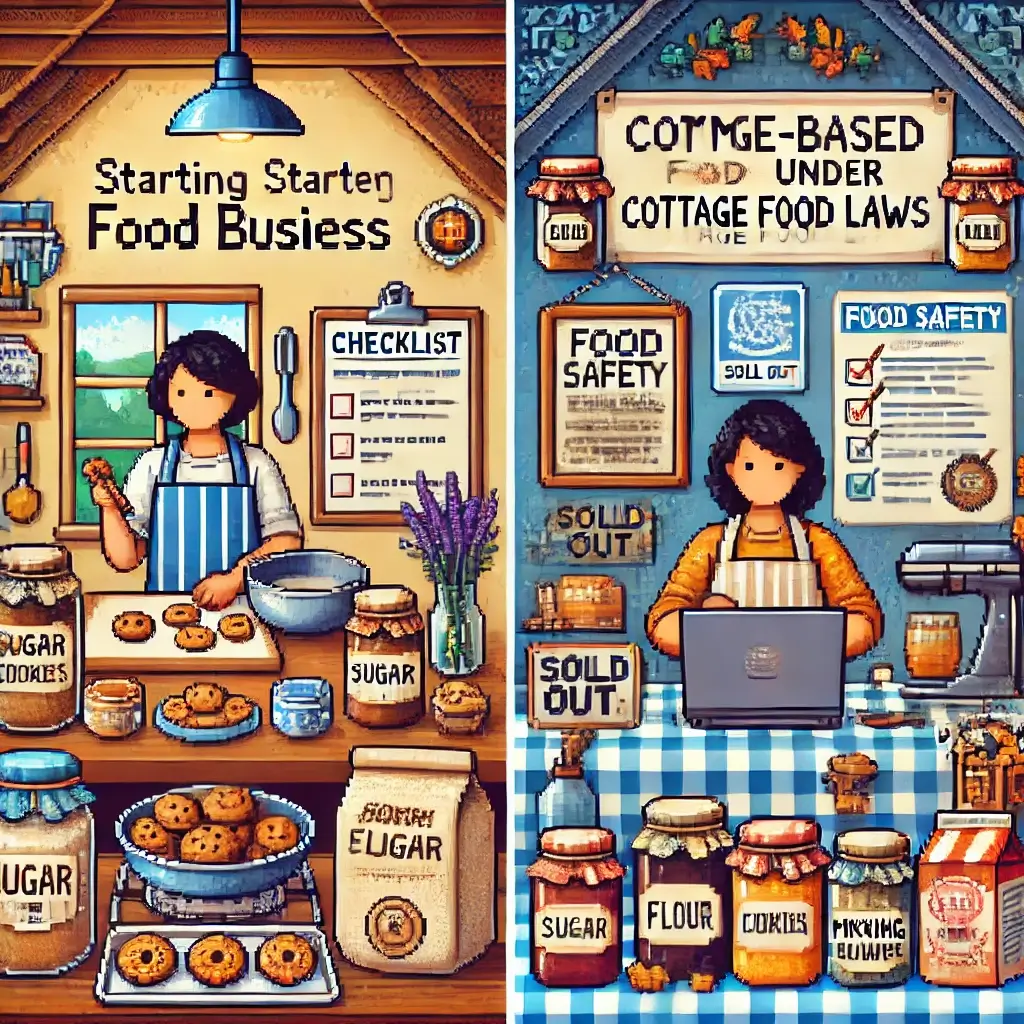
Crushing It From Your Kitchen: The 5 Essential Rules for Home Food Businesses!
Ever dreamed of turning your legendary chocolate chip cookies or grandma’s secret jam recipe into a real income?
You’re not alone! The allure of being your own boss, working from the comfort of your home, and creating delicious food for others is incredibly strong.
But let’s be real: the thought of navigating all the rules and regulations can feel like trying to bake a soufflé blindfolded.
Fear not, my fellow food enthusiasts! I’ve been there, staring at endless government websites and wondering where to even begin.
It can seem like a labyrinth of permits, inspections, and jargon that would make even a seasoned chef scratch their head.
But trust me, it’s entirely doable, and with the right information, you can turn that home kitchen into a bustling hub of culinary entrepreneurship.
Today, we’re going to demystify the world of home-based food business regulations, focusing on those all-important cottage food laws and health regulations for small-scale food producers.
Consider this your ultimate guide, filled with practical advice, a bit of humor, and plenty of “aha!” moments.
We’ll talk about what you CAN make, what you CAN’T, and how to stay on the right side of the law without pulling your hair out.
So, grab a cup of coffee (or a delicious homemade treat!), get comfortable, and let’s dive into the sweet (and sometimes savory) world of home food businesses! —
Table of Contents
- What Exactly ARE Cottage Food Laws, Anyway?
- Why Do These Laws Even Exist? (It’s Not Just to Annoy You, Promise!)
- The Big 3 Golden Rules of Cottage Food (And Why You Can’t Ignore Them)
- So, What Can I Actually Make and Sell From My Kitchen?
- Hold Up! What’s OFF Limits for Home Kitchens?
- Beyond Cottage Food: Navigating General Health Regulations
- Licensing and Permits: Your Golden Tickets to Success
- Packaging and Labeling: Your Product’s First Impression (and Legal Requirement!)
- Developing Your Food Safety Plan: A Recipe for Peace of Mind
- Common Pitfalls to Avoid (Learn From My Mistakes, Not Your Own!)
- Marketing and Selling Your Home-Baked Goodies
- Insurance: Your Safety Net (Because Accidents Happen!)
- Growing Pains: When to Consider a Commercial Kitchen
- Final Thoughts: Your Kitchen Empire Awaits!
—
What Exactly ARE Cottage Food Laws, Anyway?
Imagine a world where every single cookie, every jar of jam, and every loaf of bread baked in a home kitchen required the same level of inspection as a massive commercial food factory.
Sounds exhausting, right?
That’s where cottage food laws come in.
These are specific regulations, enacted at the state level in the U.S. (and similar concepts exist in other countries, though names may vary), designed to make it easier for small-scale, home-based food producers to sell certain low-risk food items.
Think of them as a special pathway for folks like us who want to share our delicious creations without having to build a commercial kitchen or jump through hoops designed for large-scale operations.
The core idea behind these laws is public safety.
Foods that are unlikely to cause foodborne illness when prepared safely are generally allowed under cottage food laws.
This usually means items that are “non-potentially hazardous” – foods that don’t require refrigeration to remain safe.
Each state’s cottage food law is unique, a bit like different regional BBQ sauces – they all have the same base, but the spices and flavors vary wildly!
Some states are incredibly lenient, allowing a wide range of products and sales methods, while others are much stricter, limiting what you can sell and where.
This is why you absolutely, positively MUST research your specific state’s laws.
It’s the very first step on your journey, and skipping it is like trying to bake without knowing your oven temperature – a recipe for disaster!
You can usually find this information on your state’s Department of Health or Department of Agriculture website.
Don’t be afraid to dig around or even call them directly. They’re usually quite helpful, believe it or not! —
Why Do These Laws Even Exist? (It’s Not Just to Annoy You, Promise!)
It’s easy to look at regulations and feel like they’re just barriers to your entrepreneurial spirit.
But when it comes to food, there’s a really good reason for all the rules: public health and safety.
Imagine if anyone could sell anything they wanted from their kitchen without any oversight. The risk of foodborne illnesses would skyrocket.
These laws are designed to minimize that risk while still fostering small business growth.
They protect consumers from unsafe food and protect home-based producers from liability issues that could arise from selling unsafe products.
Think of it as a safety net for everyone involved.
The goal is to ensure that even though you’re operating from home, you’re still producing food that meets basic safety standards.
It’s about finding that sweet spot between supporting small businesses and ensuring the food supply is safe.
Plus, let’s be honest, knowing you’re operating legally and safely gives you immense peace of mind and builds trust with your customers.
And trust, my friend, is the secret ingredient to any successful food business! —
The Big 3 Golden Rules of Cottage Food (And Why You Can’t Ignore Them)
While every state has its own nuances, there are generally three major pillars that most cottage food laws stand on. Master these, and you’re well on your way!
1. The “Non-Potentially Hazardous” Rule
This is the cornerstone. Cottage food items are almost exclusively foods that do not require time or temperature control for safety.
Translation: they don’t need refrigeration to prevent the growth of harmful bacteria.
Examples include baked goods (breads, cookies, cakes without cream fillings), jams, jellies, honey, certain candies, and dried herbs.
Foods like meats, dairy products (unless highly processed and shelf-stable), custards, cheesecakes, and anything requiring refrigeration are typically out.
Why? Because these “potentially hazardous foods” (PHFs) are much more susceptible to bacterial growth if not kept at proper temperatures, making them a higher risk for foodborne illness.
It’s like baking with a faulty oven – you just don’t want to risk it!
2. The Sales Cap Rule
Most states impose an annual gross sales limit for cottage food operations.
This means there’s a maximum amount of money you can make from selling your cottage food products in a year before you’re required to upgrade to a commercial kitchen and comply with full commercial food regulations.
These limits vary wildly, from a few thousand dollars to tens of thousands, or even hundreds of thousands in some more progressive states.
This cap is designed to keep cottage food operations “small-scale” and prevent them from competing directly with larger, fully regulated food businesses.
Think of it as training wheels for your food business. Once you hit that cap, it’s a sign you’re ready for the big leagues!
Keep meticulous records of your sales. This isn’t just good business practice; it’s a legal requirement to ensure you stay within your state’s limits.
3. The Direct-to-Consumer Rule (Often)
Many cottage food laws stipulate that products must be sold directly to the end consumer.
This often means sales at farmers’ markets, roadside stands, home pick-up, and online sales with direct delivery or pick-up.
Selling to restaurants, grocery stores, or other retail establishments that would then resell your product is often NOT allowed under cottage food laws.
Why? Because once your product leaves your direct control and enters a retail environment, the regulatory complexity increases significantly.
Some states are relaxing this, allowing sales to third-party retailers, but it’s a critical point to check for your specific location.
Understanding these three pillars will give you a solid foundation for navigating the specifics of your state’s cottage food laws. —
So, What Can I Actually Make and Sell From My Kitchen?
This is where the fun begins! While the exact list varies by state, here’s a general idea of what’s commonly allowed under cottage food laws:
- Baked Goods: This is the big one! Think breads, cakes (without cream cheese or custard fillings), cookies, brownies, muffins, scones, pies (fruit pies, not cream or meat pies), fruit tarts, and granola. If it’s baked and doesn’t need refrigeration, you’re usually golden.
- Jams, Jellies, and Preserves: As long as they’re properly canned using tested recipes and have a high sugar or acid content, these are typically safe bets.
- Candies and Confections: Hard candies, lollipops, caramels, fudge (without perishable ingredients like fresh cream), and brittle often fall into this category.
- Dried Products: Dried herbs, some dried fruit mixes, and even some types of jerky (though this can be tricky and often requires specific processing) are sometimes allowed.
- Honey: If you’re a beekeeper, pure honey is almost always permitted.
- Vinegars: Flavored vinegars with proper acidity levels.
- Nut Butters: Some states allow homemade nut butters, especially if properly processed and packaged.
Always, always, always check your state’s specific list. It’s often very detailed, sometimes even down to the type of frosting allowed on a cake! —
Hold Up! What’s OFF Limits for Home Kitchens?
Just as important as knowing what you *can* make is knowing what you *can’t*.
These are the items that are generally considered “potentially hazardous” and therefore require commercial kitchen facilities and more stringent oversight:
- Meats and Meat Products: No jerky, no sausages, no meat pies. Anything with meat is typically a no-go.
- Dairy Products: Milk, cheese, yogurt, ice cream – these are almost universally prohibited. Even items made with fresh dairy, like cheesecakes or custards, are usually out.
- Fresh Cut Fruits and Vegetables: Salads, fruit platters, or even certain salsas that aren’t properly acidified and processed.
- Any Food Requiring Refrigeration: This is a broad category, but it includes cream pies, custards, quiches, certain types of sandwiches, and anything that could grow harmful bacteria if left at room temperature.
- Canned Low-Acid Foods: Items like green beans, corn, or other vegetables that are canned without proper acidification or pressure canning methods. These require specialized equipment and knowledge to prevent botulism.
- Beverages: While some states allow certain non-alcoholic beverages, many restrict them due to specific bottling and safety requirements.
If you’re unsure about a specific product, err on the side of caution and assume it’s not allowed under cottage food laws until you confirm with your state’s health department. —
Beyond Cottage Food: Navigating General Health Regulations
Even if you’re operating under cottage food laws, you’re not exempt from general food safety principles.
In fact, adhering to strict health regulations for small-scale food producers is paramount, not just for legal compliance but for the reputation of your business and the safety of your customers.
Think of your kitchen as a mini-restaurant when you’re producing food for sale.
This means:
- Impeccable Personal Hygiene: This is non-negotiable. Wash your hands frequently and thoroughly (the 20-second rule, sing “Happy Birthday” twice!). Wear clean clothing, tie back long hair, and avoid wearing jewelry that could harbor bacteria or fall into food. If you’re sick, don’t even *think* about working with food. Your customers will thank you for it, and so will your conscience.
- Sanitation of Equipment and Surfaces: Everything that touches food must be clean and sanitized. This includes your countertops, mixing bowls, utensils, and cutting boards. Use hot, soapy water and then a sanitizing solution (often a mild bleach solution or commercial food-grade sanitizer).
- Pest Control: Your home kitchen must be free of pests like rodents and insects. This is not just about keeping things clean; it’s about preventing contamination.
- Safe Water Source: Ensure your water supply is potable and safe for food preparation.
- Ingredient Sourcing: Use high-quality, safe ingredients from reputable sources. Keep an eye on expiration dates!
- Cross-Contamination Prevention: This is huge. Keep raw ingredients separate from cooked ingredients. Use different cutting boards for different types of food (e.g., one for produce, one for baked goods). Wash hands and sanitize surfaces after handling any raw ingredients, even if they’re not explicitly “prohibited” under cottage food laws.
Many states require or highly recommend that home food producers obtain a food handler’s permit or certification.
This usually involves taking an online course and passing a test on basic food safety principles.
Even if it’s not mandated, it’s a fantastic idea. It demonstrates your commitment to safety and provides you with valuable knowledge.
Think of it as getting your “license to bake responsibly”! —
Licensing and Permits: Your Golden Tickets to Success
Alright, so you’ve done your research on cottage food laws, you know what you can make, and you’re committed to top-notch hygiene.
Now, let’s talk about the paperwork – because, yes, there almost always is some.
While cottage food operations generally have fewer licensing requirements than full commercial kitchens, don’t assume you can just start selling without a single form.
Here’s what you might encounter:
- State-Level Registration/Permit: Many states require you to register as a cottage food operation or obtain a specific permit from their Department of Health or Agriculture. This might involve a small fee and providing details about your business and the types of products you’ll be selling.
- Local Business License: Your city or county might require a general business license even for home-based businesses. This is often separate from food-specific permits.
- Zoning Approval: In some areas, you might need to check local zoning laws to ensure your home-based food business is allowed in your residential area. While unlikely to be a major hurdle for a small cottage food operation, it’s worth a quick check.
- Food Handler’s Card/Certification: As mentioned before, many states and counties require the individual preparing the food to have a valid food handler’s card.
The best way to figure out exactly what you need is to:
- Start with your State’s Department of Health or Department of Agriculture website. Look for sections on “cottage food,” “home-based food businesses,” or “food processing.”
- Once you have state-level information, check your county and city government websites for any additional local requirements.
- If in doubt, pick up the phone! A quick call to the relevant department can save you hours of searching and ensure you’re on the right track. Don’t be shy; they’re there to help!
Getting these permits and licenses in order not only makes your business legal but also gives you a professional edge.
It tells your customers that you’re serious and that you’re playing by the rules, which builds immense trust. —
Packaging and Labeling: Your Product’s First Impression (and Legal Requirement!)
So, you’ve baked up a storm, and your kitchen smells incredible. Now, how do you present your masterpiece to the world?
Packaging isn’t just about making your product look pretty (though that’s important for sales!); it’s also a critical part of health regulations for small-scale food producers.
Your labels are basically a mini-resume for your food, telling consumers everything they need to know.
Most cottage food laws have specific labeling requirements, which commonly include:
- Product Name: Clear and descriptive (e.g., “Grandma’s Apple Pie,” “Spicy Pepper Jelly”).
- Your Business Name and Address: This identifies you as the producer.
- Ingredients List: Listed in descending order by weight. Be precise, especially about allergens (e.g., “wheat flour,” “tree nuts,” “soy”). This is crucial for consumer safety.
- Net Weight or Volume: Clearly stated in both U.S. customary and metric units (e.g., 12 oz (340g)).
- Allergen Information: Many states require a clear “Contains:” statement for major allergens (milk, eggs, peanuts, tree nuts, soy, wheat, fish, shellfish). Even if not required, it’s best practice.
- The “Cottage Food” Disclaimer: This is a big one! Many states require a statement like, “Made in a home kitchen that is not subject to state food safety inspections,” or similar wording. This informs consumers that your product comes from a home, not a commercial facility. The exact wording will be specified by your state.
- Date of Production/Best By Date: While not always mandatory for all cottage foods, it’s excellent practice for quality control and customer confidence.
When it comes to packaging itself, choose food-grade materials that will protect your product and maintain its quality.
If you’re selling items like cookies, consider heat-sealed bags to maintain freshness.
For jams, ensure your jars are properly sealed and sterilized.
Invest time in designing clear, attractive labels. They are often the first thing a customer sees, and a professional-looking label instills confidence.
Think about readability – is the font clear? Is there enough contrast?
Remember, your packaging and labeling are not just legal necessities; they’re an extension of your brand and a testament to your professionalism. —
Developing Your Food Safety Plan: A Recipe for Peace of Mind
While you might not need a complex HACCP plan like a large food manufacturer, having a simple, yet robust, food safety plan for your home-based business is incredibly smart.
This isn’t about bureaucracy; it’s about being proactive and ensuring consistency and safety every single time you produce food.
Think of it as your internal instruction manual for food safety.
What should your plan cover?
- Ingredient Sourcing and Storage: Where do you buy your ingredients? How do you store them to prevent spoilage and contamination? (e.g., “Flour stored in airtight containers, away from direct sunlight.”)
- Preparation Procedures: Outline your steps for making each product. Where do you wash produce? How do you prevent cross-contamination? What are your cooking temperatures? (Even for baked goods, ensuring proper baking temperature is key.)
- Cooling Procedures: If you make anything that needs to cool before packaging (like a pie), how do you ensure it cools safely and quickly to avoid the “danger zone” where bacteria multiply?
- Packaging Procedures: How do you ensure your packaging is clean and that the product is sealed correctly?
- Cleaning and Sanitation Schedule: What surfaces and equipment do you clean, how often, and with what products? (e.g., “Counters sanitized with bleach solution after each production run.”)
- Pest Control Measures: What steps do you take to prevent pests in your kitchen?
- Personal Hygiene Protocols: A quick reminder of your handwashing, hair covering, and illness policies.
- Record Keeping: How do you track ingredients, batch numbers, and sales? This is crucial for traceability if there’s ever an issue.
Writing this down might seem tedious, but it forces you to think through every step and identify potential hazards before they become real problems.
It’s like doing a dry run for a recipe before the big dinner party – you catch all the potential glitches beforehand!
This plan isn’t just for you; it’s also something you can confidently show to a health inspector (should they ever visit, which is rare for cottage food but possible) or use to train anyone who might help you in the future.
Having a documented plan is a sign of a truly professional and responsible small-scale food producer. —
Common Pitfalls to Avoid (Learn From My Mistakes, Not Your Own!)
Starting a home-based food business is exciting, but it’s easy to stumble if you’re not aware of the common traps.
Here are a few I’ve seen (and perhaps narrowly avoided myself!):
- Ignoring State Laws: This is the number one mistake. Assuming that “it’s just a few cookies” means you don’t need to check the laws is a recipe for trouble. Every state is different, and ignorance is not a valid defense. Seriously, spend the time on your state’s health department website.
- Selling Prohibited Items: Getting caught up in enthusiasm and deciding to sell that delicious cream cheese frosting cake when your state explicitly forbids perishable baked goods. Don’t push your luck. Stick to the list!
- Not Tracking Sales: Failing to keep meticulous records of your gross sales can lead to a rude awakening when you suddenly realize you’ve blown past your state’s sales cap and are now technically operating illegally. A simple spreadsheet can save you a world of hurt.
- Poor Labeling: Selling items without the required disclaimers or ingredient lists. This isn’t just a fine waiting to happen; it’s a huge liability if someone has an allergic reaction.
- Cutting Corners on Hygiene: Thinking “it’s just for friends and family” or “it’s my own kitchen, who cares?” This mindset is dangerous. Always operate as if a health inspector is watching your every move. Your customers deserve safe food, no matter how small your operation.
- Expanding Too Soon: Getting a rush of success and immediately trying to sell to local cafes or grocery stores before understanding if your cottage food permit allows for wholesale. Growth is great, but make sure it’s *legal* growth.
- Lack of Business Structure: While not directly a cottage food law, not setting up a basic business structure (like a sole proprietorship) and keeping business finances separate from personal finances can lead to a tangled mess at tax time and potential legal exposure.
Think of these as the “don’t touch the hot stove” warnings of the home food business world.
Heed them, and you’ll save yourself a lot of headaches and keep your business thriving. —
Marketing and Selling Your Home-Baked Goodies
Alright, you’ve got your delicious product, you’re legal and safe – now how do you get those treats into the hands of hungry customers?
Even for small-scale food producers, marketing is key!
Remember the “direct-to-consumer” rule we discussed? That largely dictates your sales channels.
- Farmers’ Markets: This is often the bread and butter (pun intended!) of cottage food businesses. People actively seek out local, handmade goods here. It’s fantastic for direct interaction, getting feedback, and building a loyal customer base.
- Online Sales: Set up a simple website or use platforms like Etsy (check their food policies) or local online marketplaces. Clearly state your local pick-up or delivery options. Remember, direct shipping across state lines for cottage food is usually a no-go, so keep it local!
- Local Fairs and Festivals: Similar to farmers’ markets, these events are great for exposure and sales.
- Community Events: Bake sales, school fundraisers, church bazaars – any event where you can sell directly to the public.
- Pop-Up Shops: Partner with a local coffee shop or boutique for a one-day sale event.
- Word of Mouth: This is still the most powerful marketing tool. Encourage satisfied customers to spread the word! Offer a small discount for referrals.
- Social Media: Instagram and Facebook are your best friends for showcasing your beautiful products. High-quality photos of your food are a must! Share behind-the-scenes glimpses (clean ones, of course!).
When you’re interacting with customers, be enthusiastic and knowledgeable about your product.
Tell them the story behind your famous cookies or that unique ingredient in your jam.
People love a good story, and it helps build a connection to your brand.
Don’t be afraid to offer samples (check local health guidelines for sampling, though – sometimes there are rules!).
And always have a way for customers to reorder or stay in touch, whether it’s a business card, a sign-up sheet for an email list, or your social media handles. —
Insurance: Your Safety Net (Because Accidents Happen!)
This might not be the most exciting topic, but it’s one of the most crucial.
Even with the most stringent adherence to health regulations for small-scale food producers and cottage food laws, accidents can happen.
Someone could claim they got sick from your food, or perhaps a customer slips and falls when picking up an order at your home.
This is where business insurance comes in. Think of it as your financial bodyguard.
A standard homeowner’s policy will likely NOT cover liabilities related to a home-based business.
You’ll need a specific type of coverage. Look into:
- General Liability Insurance: This protects you if someone gets injured on your property or if you accidentally damage someone’s property while conducting business.
- Product Liability Insurance: This is perhaps the most important for a food business. It protects you in case a customer claims your food made them sick or caused them harm. While cottage food laws reduce some risk by limiting what you can sell, this insurance is still a wise investment.
The cost of business insurance for a small, home-based food operation is often surprisingly affordable, especially when weighed against the potential cost of a lawsuit.
Contact an insurance agent who specializes in small businesses or home-based businesses.
Explain exactly what you’re doing (a home-based food business selling under cottage food laws) and they can help you find the right policy.
It’s peace of mind, plain and simple. You’ve worked hard to build your business; don’t let one unforeseen incident derail it. —
Growing Pains: When to Consider a Commercial Kitchen
Congratulations! Your cottage food business is booming. You’re hitting your sales cap, demand is through the roof, and you’re dreaming of selling to that local grocery store.
This is fantastic, but it also means you’re probably outgrowing your cottage food law limits.
The decision to move to a commercial kitchen (or at least use one part-time) is a big one, but it opens up a whole new world of possibilities:
- Higher Sales Volume: No more annual sales caps! You can scale up production significantly.
- Wider Product Range: You can start making those “potentially hazardous” foods like cheesecakes, fresh pasta, or prepared meals that weren’t allowed under cottage food laws.
- New Sales Channels: Sell to restaurants, cafes, grocery stores, and distributors.
- Increased Credibility: Operating from a licensed commercial kitchen often adds another layer of professionalism and trust, especially for larger clients.
Moving to a commercial kitchen means fully complying with all federal, state, and local health regulations for small-scale food producers (and now medium-scale!).
This includes:
- Commercial Kitchen Inspections: Regular, thorough inspections by health departments.
- Advanced Food Safety Plans: Potentially requiring a full HACCP plan depending on your products.
- Specialized Equipment: Commercial-grade refrigerators, freezers, ovens, and dishwashers.
- Different Licensing: You’ll need different permits and licenses than your cottage food ones.
It can feel daunting, but there are options:
- Shared Commercial Kitchens/Incubators: Many cities have these facilities where you can rent kitchen space by the hour or day. It’s a fantastic way to test the waters without the massive upfront investment.
- Dedicated Commercial Space: If your business is truly exploding, you might consider leasing your own commercial kitchen space.
Don’t rush this decision. Plan it carefully. Consult with your state’s health department, talk to other food entrepreneurs who have made the leap, and crunch your numbers.
It’s an exciting next step, but it requires careful preparation. —
Final Thoughts: Your Kitchen Empire Awaits!
Starting a home-based food business is an incredibly rewarding journey.
It allows you to pursue your passion, be your own boss, and bring delicious creations to your community.
Yes, navigating cottage food laws and health regulations for small-scale food producers can seem like a lot.
But remember, every successful food entrepreneur started somewhere, likely in a home kitchen just like yours.
The key is to be diligent, do your homework, and always prioritize safety.
Start small, master your local laws, and don’t be afraid to ask for help from your state’s health department or local business resources.
With careful planning and a passion for good food, you can absolutely turn your culinary dreams into a thriving reality.
Now go forth, bake, cook, and create your delicious empire! —
Further Reading & Resources:
Ready to dig deeper? Here are some reliable resources to help you on your journey:
National Cottage Food Law Guide (PDF)
FDA Resources for Home-Based Food Businesses
Forrager: State Cottage Food Laws Map
Home-based food business, cottage food laws, health regulations, small-scale food producers, food safety
🌿 Read: Urban Vertical Farms 🐾 Explore: Animal Rights & 3 Lives ⚖️ Read: Legal Hurdles to Off-Grid Living